March 25, 2023
•
Grant Proposal
II&E Mental Health Program
Created by
revrnt
enter@revrnt.com
Prepared for
Immigrant Integration & Empowerment
info@iiande.org
iiande.org
iiande.org
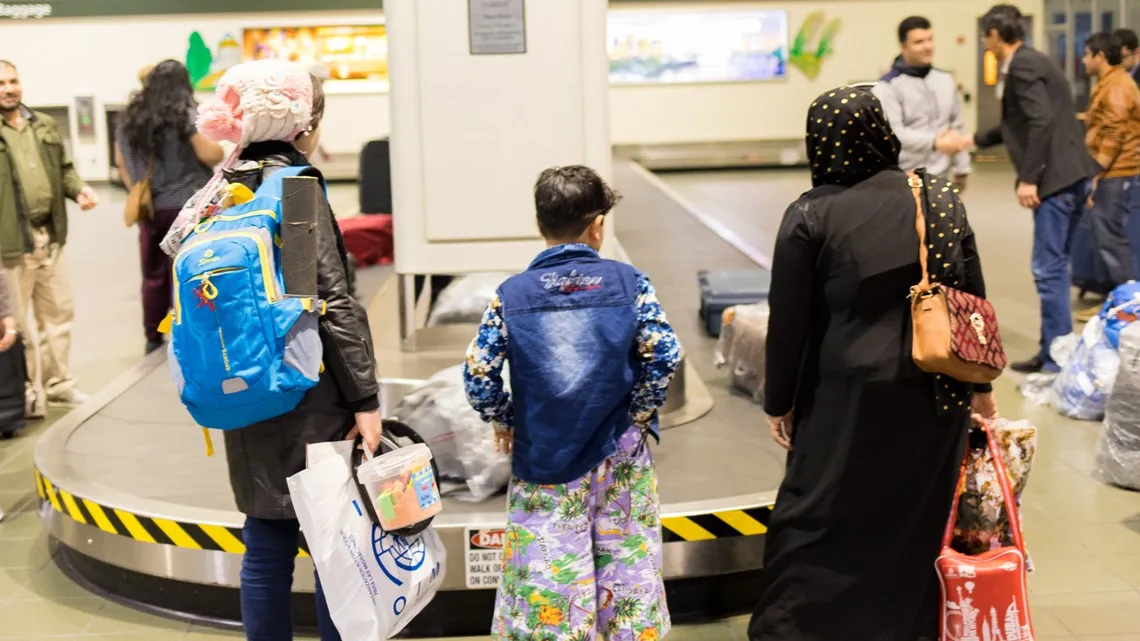
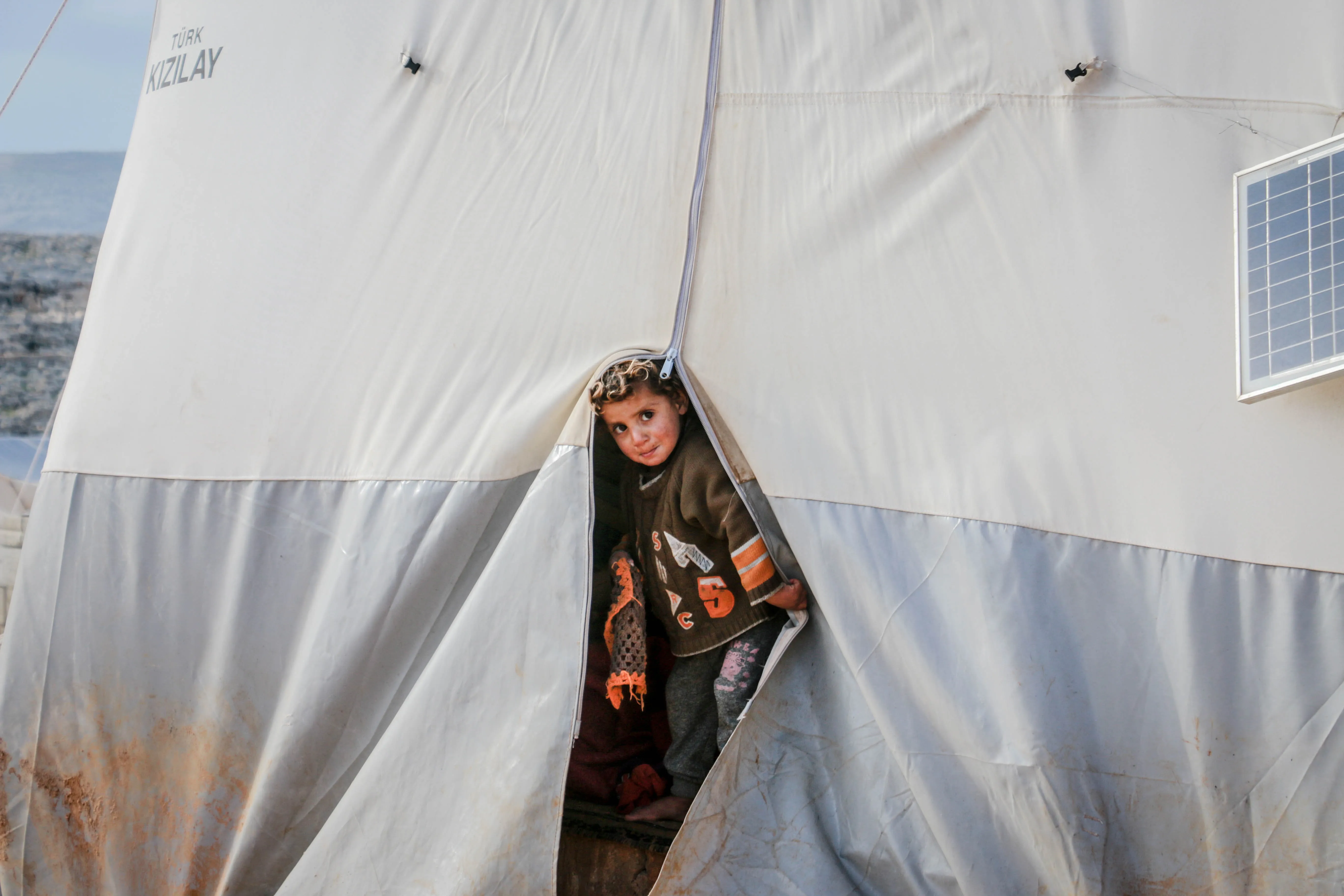
The ongoing conflict in Afghanistan has resulted in a large number of Afghan immigrants seeking refuge in other countries. These individuals often face significant challenges in adjusting to their new surroundings, including language barriers, cultural differences, and the trauma of leaving their homeland. As a result, they are at high risk for mental health issues such as depression, anxiety, and post-traumatic stress disorder (PTSD).
Research on the mental health of Afghan immigrants reveals a significant psychological impact from war, displacement, and cultural adaptation. Studies conducted in the United States, Pakistan, Iran, Australia, the Netherlands, and the United Kingdom consistently found high rates of mental health issues, including depression, anxiety, and PTSD among Afghan immigrants. Key factors contributing to these mental health problems include exposure to war-related trauma, poor living conditions, discrimination, lack of social support, and financial difficulties. Consequently, Afghan immigrants experience challenges in adapting to life in their new countries, leading to negative mental health outcomes.
In 2019, the estimated Afghan-born population in the United States was around 81,000, with the majority residing in California, New York, and Virginia. Sacramento and surrounding counties, including Yolo, Sutter, Placer, and El Dorado, have experienced a growth in their Afghan population, with current estimates ranging from 18,000 to 23,000. However, it's crucial to recognize that these numbers may have changed since the last census and may not account for all Afghan immigrants in the area.
The demographics and characteristics of Sacramento's Afghan population may differ from the national picture. The Arden-Arcade area in the Sacramento region is a focal point for Afghan refugees, with approximately 4,200 residents as of two years ago. Thousands more have settled in the area through Special Immigrant Visas (SIV) and other resettlement efforts.
We will work with the community, partners, and stakeholders to develop, implement and track our project to maximize program outcome and ensure we are efficiently providing maximum value to the refugee community.

The goal of this proposal is to address the mental health needs of Afghan immigrants by providing them with culturally appropriate and accessible mental health services.
To achieve this goal, the following actions will be taken
A needs assessment will be conducted to determine the specific mental health concerns of Afghan immigrants in the area.
Once needs are determined we will begin Provision of Mental health services
Culturally and linguistically appropriate mental health services and training will be provided, including counseling and therapy in the Afghan languages (principally Dari and Pashto).
The needs assessment will include the following steps
The first step is to identify the specific population of immigrants that the needs assessment will focus on. This may include factors such as where in Afghanistan they come from, language(s) spoken, and length of time in the United States.
Collect data on the mental health needs of the immigrant population through a variety of methods, such as surveys, interviews, focus groups, and literature reviews. Some of these steps have already been taken. The literature review is included as part of this proposal.
Analyze the data collected to identify patterns and trends in the mental health needs of the immigrant population.
Identify gaps in existing mental health services and support for the immigrant population, such as lack of culturally appropriate services or language barriers. These gaps have also been identified through our services to the community in Sacramento county and literature review.
Prioritize the identified needs based on the urgency and potential impact on the population.
Develop recommendations for addressing the identified needs, such as increasing access to culturally appropriate mental health services, providing language support, and training mental health professionals to work with immigrant populations.
Implement the recommendations and evaluate the effectiveness of the interventions over time.
It's important to note that a needs assessment should involve input from members of the community, as well as from mental health professionals and other relevant stakeholders to ensure that it is representative of the population it is serving and addresses the community's specific needs and culture.
Outreach efforts will be made to inform Afghan immigrants of the availability of these services and to reduce the stigma surrounding mental health in the Afghan community.
Training will be provided to mental health professionals and community leaders on how to work with Afghan immigrants effectively.
Increased access to mental health services for Afghan immigrants.
Improved mental health outcomes for Afghan immigrants, including reduced symptoms of depression, anxiety, and PTSD.
Reduce stigma surrounding mental health in the Afghan community.
Increased understanding and awareness of the mental health needs of Afghan immigrants among mental health professionals and community leaders.
A better understanding of the cultural differences of the United States and reducing conflict and miscommunication.
Increased self-esteem and self-image.
Increased opportunities for employment
Several organizations in California provide culturally appropriate mental health services for Afghan immigrants:
Objective: Provide culturally appropriate and accessible mental health services to Afghan immigrants.
There may be private funds available for the mental health needs of immigrants in California, however, the availability and specifics of these funds may change over time, and could be dependent on the specific population and location. Here we have some examples of potential private funds as well as some projected budget distributions that could help us develop the program.

Some examples of private funds that may be available to support mental health services for immigrants in California include:
The California Mental Health Services Authority (CalMHSA) is a public-private partnership that provides funding for mental health services, including those for immigrants and other underserved populations.
The California Endowment is a private foundation that focuses on improving the health and well-being of underserved communities in California, including immigrants.
The Blue Shield of California Foundation is a private foundation that focuses on improving access to mental health care in California, including for immigrants and other underserved populations.
The California Community Foundation is a private foundation that provides funding for a variety of community-based organizations and programs, including those that support the mental health needs of immigrants and other underserved populations in California.
It's important to note that these are just a few examples and there may be other private funds available in your area. It's recommended to investigate the eligibility criteria, application process, and availability of the funds, and reach out to the foundations directly to obtain more information.
Supplies and materials
Rent and utilities
Outreach and marketing
Participant Accommodations
Total budget: $130,000 per year
Participant Accommodations
Note: Actual budgets may vary depending on location, salaries, and other factors. Adjustments can be made as needed. Costs for mental health classes may also depend on class type and content.
II&E is uniquely positioned to provide culturally and linguistically appropriate services to newly arrived immigrants and refugees in the Sacramento area. Our organization has a proven track record of providing comprehensive services tailored to this population's specific needs, including education, language courses, health and wellbeing programs, driving education, and translation services.
One of the key factors that set us apart from other organizations is our deep understanding of the unique challenges that immigrants and refugees face when resettling in the United States. We recognize that language barriers, cultural differences, and a lack of familiarity with the American educational and healthcare systems can be major sources of stress and anxiety for newly arrived individuals and families. By providing linguistically and culturally appropriate services, we can help to alleviate some of this stress and provide the support needed for successful adaptation and integration into American society.
Our team of experienced professionals is highly trained in working with diverse populations and understands the nuances of providing culturally sensitive care. We have a deep respect for the cultures and traditions of our clients and are committed to creating a welcoming and inclusive environment where they feel comfortable seeking out the support and resources they need.
See the team on the II&E website
Overall, II&E is the most appropriate organization to provide culturally and linguistically appropriate services to newly arrived immigrants and refugees in the Sacramento area. Our comprehensive range of services, deep understanding of the unique challenges facing this population, and commitment to cultural sensitivity make us the ideal partner for supporting the successful resettlement and integration of immigrants and refugees in our community.
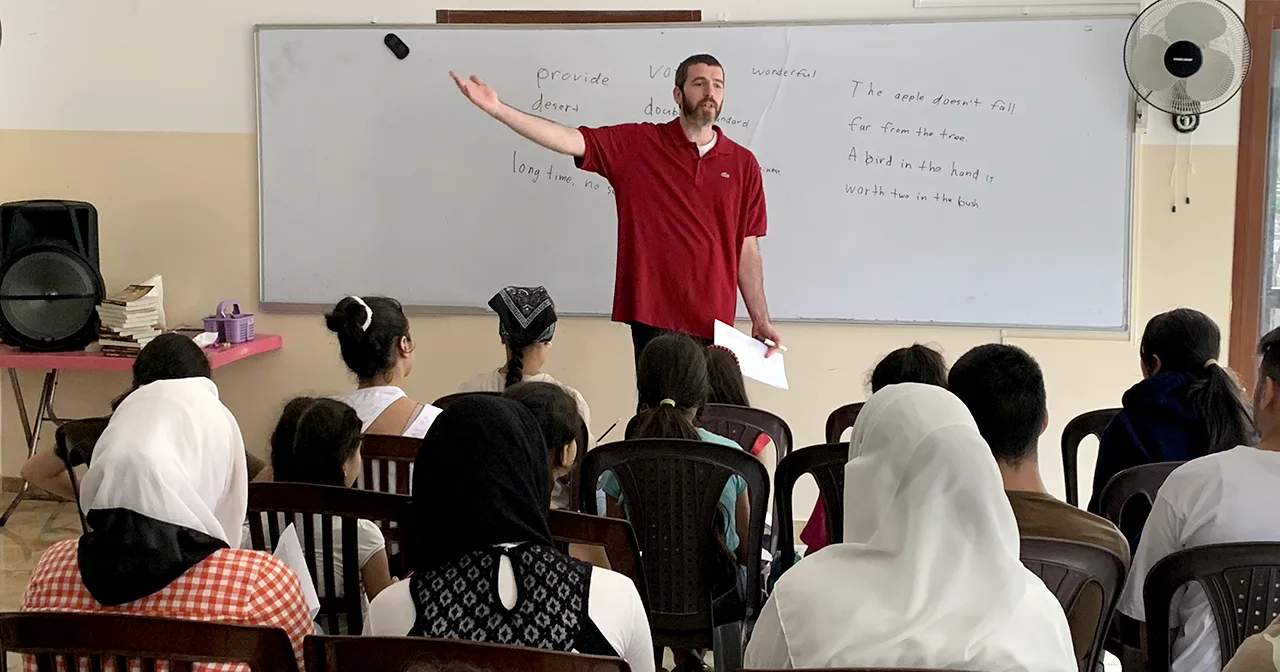
IIE's Driving Education Courses program aims to provide driving permit (theoretical) lessons based on the California Driving Book provided by the Department of Motor Vehicles (DMV). This program is designed to support immigrants, particularly women and those who are illiterate or do not speak English, to pass the driving test and gain a driving license. Gaining a driving license is one of the main struggles of immigrants in Sacramento, and this program aims to provide the necessary support to overcome this challenge.
Without linguistically and culturally accessible care, refugees and immigrants may have difficulty developing trust in, and respect for, physicians, medical staff, and Western medicine. Without clear communication of medical history, current needs, and personal health practices and beliefs, immigrants and refugees are prone to medical mistakes. Possible errors include patient-provider miscommunication, and cultural sensitivity is often as crucial as competent interpretation in cross-cultural medical treatment.
If you need a translator to join you via phone or video at your appointment, please contact us a few days ahead of your appointment. This will ensure the availability of a volunteer at that specific time.
II&E also provides language assistance services to immigrants at no cost to families.
English Language Courses
Dari and Pashto Language Courses
For immigrants’ children and adults who want to learn their native tongues.
The purpose of this program is to provide support for newly arrived immigrants who do not speak English and to aid in the academic success of immigrant children. The tutoring services try to reduce the tension of immigrant families due to their unfamiliarity with the educational system in the United States of America as well as to ensure their smooth adaptation within their community and the society overall.
We recognize that depression, anxiety, and post-traumatic syndrome disorder (PTSD) are prevalent among a majority of newly resettled immigrants/refugees in the US (Sacramento). Poverty, lack of education, language proficiency, housing issues, unemployment, isolation, poor access to services, and other disadvantages in the new community are common post-migration stressors that can greatly impact mental health. Hence, Immigrants/refugees are facing a wide variety of serious and/or chronic health and social issues. It is II&E’s aim to provide health and well-being support to assist with access to healthcare services and educate these vulnerable individuals about a variety of health issues that can affect and possibly save their lives.
Resources and information on children’s and adolescents’ health, wellness, and safety as well as education and training. Our aim is to identify these risk factors and help children of immigrants and refugees with mental health and other common problems.
Our aim is to move from distress to wellness. This program is designed to promote emotional wellness and suicide prevention among immigrants and refugees. We believe early interventions with vulnerable immigrants/refugees can help to reduce emotional, social, and psychological stress and lower the risk of individuals developing more serious mental health concerns in the future. Mental health threatens not only the parents but the children as well. The uncertainty about their future, the stress of adjusting to a new society, numerous losses, and the focus on their traumatic past may contribute to feelings of low self-esteem, hopelessness, and depression among refugees and new immigrants.
Passing the driving test and gaining a driving license remains one of the main struggles of the immigrants in Sacramento. Especially women, and some men who are completely illiterate even in their native language; as well as those who do not speak English. This program aims to provide driving permit (theoretical) lessons based on the California Driving Book provided by the Department of Motor Vehicles (DMV).
II&E's culturally and linguistically appropriate services have helped many immigrant women to become more productive and raise their self-esteem. By providing education, language courses, health and wellbeing programs, driving education, and translation services, II&E has helped hundreds of immigrants to successfully adapt and integrate into American society.
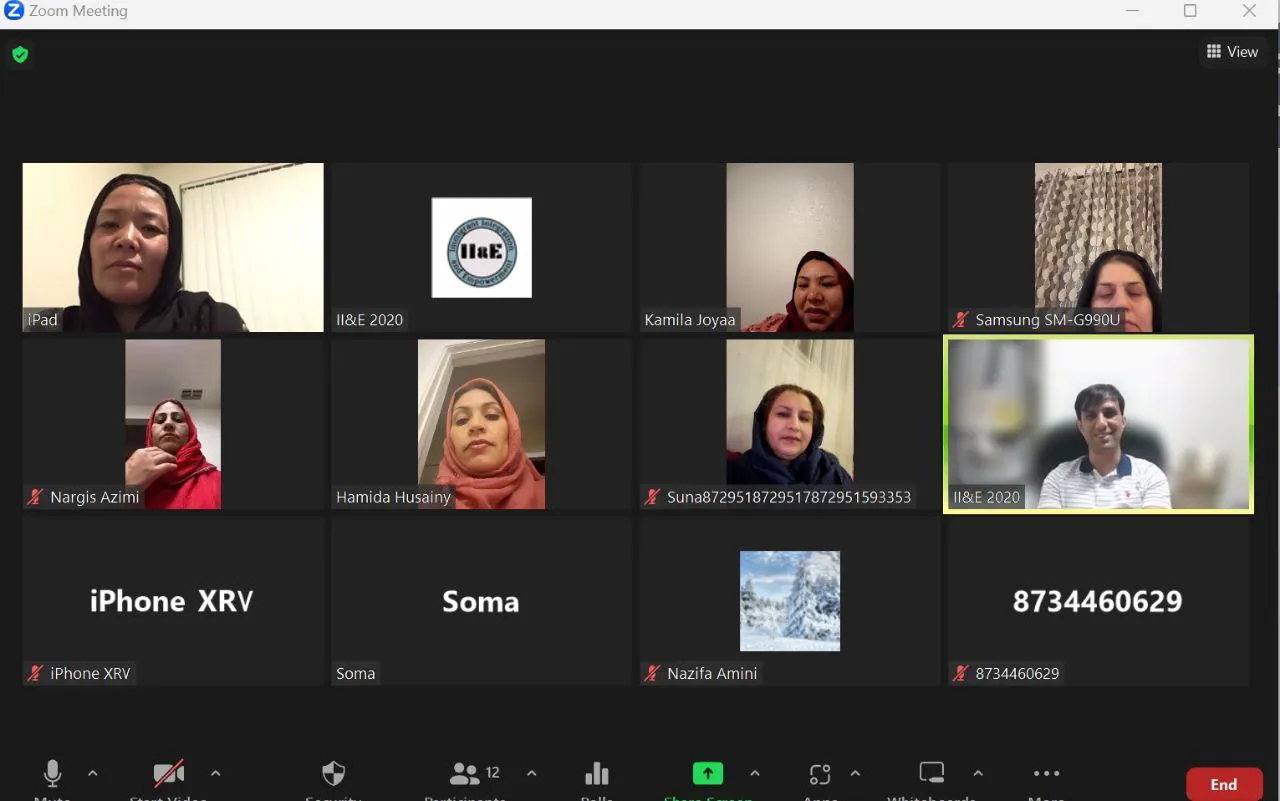
After arriving in Sacramento from Afghanistan, Farzana struggled with language barriers and adjusting to a new culture. She enrolled in II&E's English Language Courses, which helped her improve her communication skills and gain confidence in speaking English. She also attended driving education courses and was able to obtain a driving license, which gave her independence and helped her to take care of her family's needs. Farzana also participated in women's well-being programs and learned about nutrition and exercise, which helped her to adopt a healthier lifestyle.
Hamida, an immigrant from Afghanistan, enrolled in II&E's driving education courses. She was initially hesitant to take the course due to her limited English proficiency, but II&E's program provided the necessary support for her to overcome this challenge. After completing the program, Maria was able to pass her driving test and obtain a driving license, which allowed her to take her children to school and attend doctor's appointments without relying on public transportation.
Yasmin, a refugee from Syria, attended II&E's health and wellbeing programs. She had been struggling with depression and anxiety due to the trauma of leaving her home country and adjusting to a new culture. Through II&E's women's wellbeing program, she learned about yoga and meditation, which helped her to manage her stress and improve her mental health. She also received information about reproductive health and breast health, which encouraged her to prioritize her own health and wellbeing.
A 35-year-old immigrant from Afghanistan who attended our ESL classes. When she first arrived in the US, she struggled with the language barrier and found it hard to communicate with others. After attending our ESL classes, Fatima gained confidence in her English-speaking abilities and was able to secure a job at a local grocery store. She now feels more integrated into her community and has made new friends.
A 28-year-old immigrant also from Afghanistan who attended our driving education courses. She had been living in the US for several years but was unable to pass the driving test due to language barriers and a lack of knowledge of California driving laws. After attending our driving education courses, Maria was able to pass the test and obtain her driver's license. This has given her greater independence and allowed her to take her children to school and run errands more efficiently.
A 42-year-old immigrant from Somalia who attended our health and wellbeing programs. She had been experiencing depression and anxiety after experiencing trauma in her home country and struggling to adjust to life in the US. Through our women's wellbeing program, Jamila was able to connect with other women who had experienced similar challenges and received support and guidance from our mental health professionals. She now feels more positive about her future and is more engaged in her community.
A 55-year-old immigrant from Iran who attended our yoga and meditation classes as part of our men's wellbeing program. She had been experiencing chronic back pain and had been struggling to manage her stress levels. After attending our yoga and meditation classes, Aisha noticed a significant improvement in her physical health and mental wellbeing. She is now able to manage her pain more effectively and feels more relaxed and centered in her daily life.
"The Intergenerational Transmission of Trauma and Resilience among Afghan Immigrants in the United States" by Farida Naseri, published in 2020, this thesis explores the intergenerational transmission of trauma and resilience among Afghan immigrants in the United States.
"The Adjustment of Afghan Immigrants in the United States: Examining the Role of Acculturation, Social Support, and Trauma" by Nasim Laghmani, published in 2019, this thesis investigates the adjustment of Afghan immigrants in the United States and examines the role of acculturation, social support, and trauma.
"The Path to Resilience: An Exploration of the Factors that Promote Resilience among Afghan Immigrants in the United States" by Aliza Khaliq, published in 2017, this thesis examines the factors that promote resilience among Afghan immigrants in the United States.
"Mental health and acculturation of Afghan immigrants in the United States" was published in Cultural Diversity and Ethnic Minority Psychology in 2019.
"Mental health of Afghan immigrants in the United States: a comparative study" published in the Journal of Immigrant and Minority Health in 2013.
"Mental health of Afghan immigrants in the Netherlands: a comparative study" published in the Journal of Immigrant and Minority Health in 2009, this study found that Afghan immigrants in the Netherlands had high rates of mental health problems, including depression, anxiety, and PTSD, and that these rates were higher than those found among non-immigrant groups.
"Post-migration experiences and mental health among Afghan refugees in Australia" published in the Journal of Immigrant and Minority Health in 2012, this study found that Afghan refugees in Australia had high rates of mental health problems, including depression, anxiety, and PTSD, and that factors such as exposure to war-related trauma, poor living conditions, and discrimination were associated with increased risk of mental health problems.
"The mental health of Afghan asylum seekers in the UK: a systematic review" published in the Journal of Immigrant and Minority Health in 2019, this study conducted a systematic review of the existing literature on the mental health of Afghan asylum seekers in the UK and found that Afghan asylum seekers in the UK have high rates of mental health problems, including depression, anxiety, and PTSD, and that factors such as exposure to war-related trauma, poor living conditions, and discrimination were associated with increased risk of mental health problems
A population-based study" which was published in the Journal of Immigrant and Minority Health in 2010, this study found that Afghan immigrants in Iran had high rates of mental disorders, particularly depression and post-traumatic stress disorder (PTSD), and that factors such as lack of social support, financial difficulties, and exposure to traumatic events were associated with increased risk of mental disorders.
A qualitative study" published in the Journal of Immigrant and Minority Health in 2013, this study used qualitative methods to explore the mental health experiences of Afghan refugees in Iran and found that participants reported high levels of stress, depression, and anxiety, as well as difficulties with adjustment to life in a new country.
"Mental health of Afghan refugees in Pakistan:
A systematic review" published in the Journal of Immigrant and Minority Health in 2018, this study conducted a systematic review of the existing literature on the mental health of Afghan refugees in Pakistan and found that Afghan refugees in Pakistan have high rates of mental health problems, including depression, anxiety, and PTSD, and that factors such as exposure to war-related trauma and poor living conditions are associated with increased risk of mental health problems.